
Hull City Nature Challenge 2026 - the results are in!
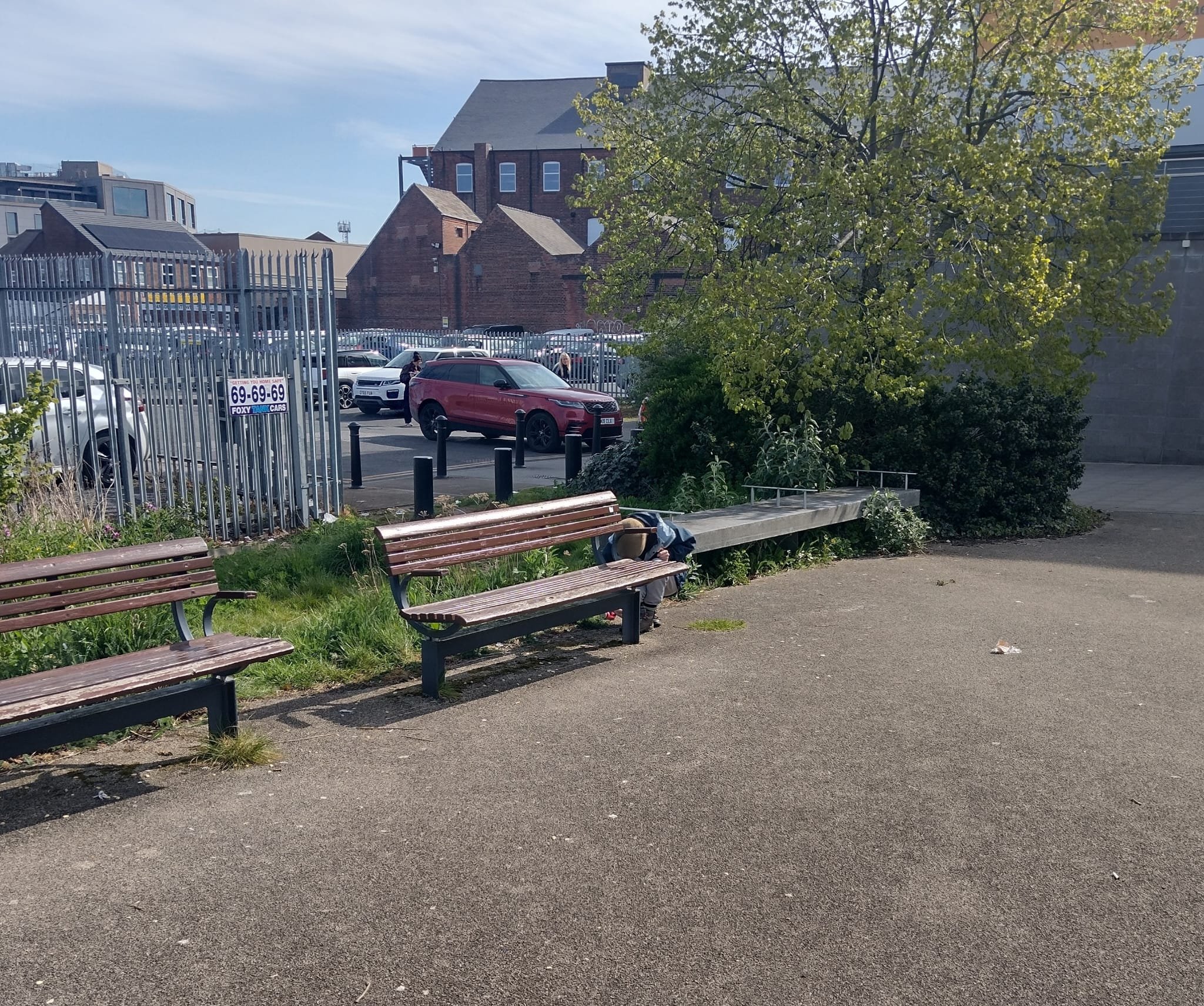
NEYEDC staff member Hannah recording under a bench - true urban recording!
This coming weekend marks the official end of the 2026 City Nature Challenge, and the end of Hull’s fourth year partaking in this global event. We had another great year, with thousands of observations made across the recording weekend between 24th – 27th April. Despite generating fewer observations in 2026 than in previous years, we had some real highlights – unusual sightings, new recorders engaged with the event, and more records reaching Research Grade than in previous years.
Hull placed 12th in the overall UK Leaderboard this year and 13th for number of species, out of 28 participating cities and regions. As in previous years, the boundaries for our area stuck to the official city boundary to gain a true understanding of the biodiversity within it, giving us a fairly limited recording area, but still one with a range of habitats and locations that generated some truly interesting records.
Key statistics
A total of 4,388 observations were recorded this year, a fairly large decrease compared to just over 7,000 records in 2025. We recorded a total of 889 different species, meaning that although our overall number of species was reduced compared to 2025, the proportion of unique species recorded compared to our overall observations was higher this year. Part of the reason for the reduction in records this year was the loss (movement!) of a number of excellent recorders to other regions of the UK. Happily, we are sure that their efforts will be included in recording for other areas, meaning their expertise and recording power will still be contributing to good data elsewhere! Despite losing some regular recorders, we also gained some new faces recording as part of the event who contributed fantastic observations over the course of the weekend. Thank you to all who took part!
71.22% of observations this year reached research grade, a higher percentage than in any previous year of the Hull City Nature Challenge. This is great news, as records that have been verified in this manner can be incorporated into our reporting database (where licensing allows) and will allow continue through iNaturalist’s data flow to iRecord. Thank you to the 359 identifiers who helped us achieve this great statistic.
Species
As in previous years, plants were the most recorded group at this year’s event, representing 52.94% of all observations. This was followed by insects (22.96%), birds (8.71%), arachnids (4.41%) and fungi (3.28%). Observations also included 12 mammal species, 27 mollusc species, and 2 amphibian species.
Weather over the weekend was good, giving lots of good sightings of butterflies and insects, as well as birds. We find that the weather plays quite a large part in the proportion of different species groups being recorded during the City Nature Challenge, probably a result of the fact that records on iNaturalist require an image or audio recording to be verified, which can become much harder in bad weather, particularly for flighty species or those which can often only be seen at a distance. Additionally, good weather tends to draw out more recorders!
Our most recorded species this year was the Seven-spot Ladybird (Coccinella septempunctata, 79 observations) followed by Greylag Goose (Anser anser, 42 observations) and Blackbird (Turdus merula, 38). This is similar to previous years where ladybird species have been some of, if not the most widely, recorded. In 2025 the most recorded species was the Harlequin Ladybird (Harmonia axyridis), followed by Cow Parsley (Anthriscus sylvestris) and the Speckled Wood (Pararge aegeria) butterfly. This year, Speckled Wood was our 11th most recorded species, and birds made up 7 of our top 10 species – a deviation from the patterns of previous years where plants made up the largest percentage of our top 10 species.
Looking more widely around the country, across the top 5 cities and regions in the UK Leaderboard, the Seven-spot Ladybird was either the most common or second most commonly recorded species in 4 of 5 cities. Stinging Nettle (Urtica dioica), Garlic Mustard (Alliaria petiolate), and Dandelion (Taraxacum sp.) were also commonly recorded. This suggests Hull is a bit of a deviation from the usual pattern this year, with bird species being recorded far more often than plants for the first time in our region.
Some of our highlights for this year include:
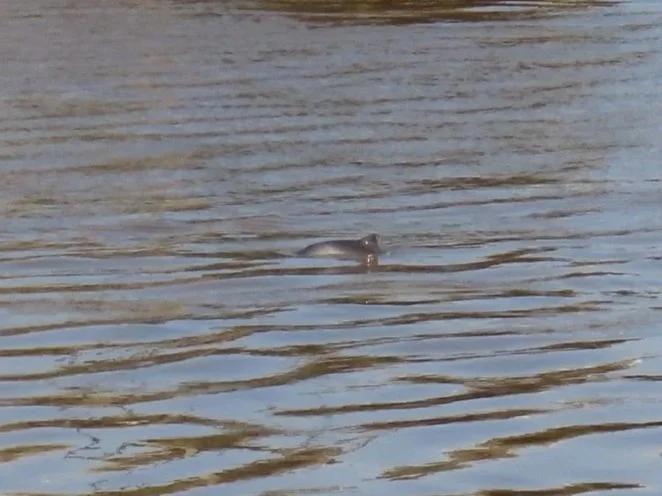
· An incredible 5 records of Harbour Porpoise (Phocoena Phocoena) in the mouth of the River Hull – whilst the species is present around the UK and certainly in Yorkshire, it’s unusual for them to be seen so close in and observed feeding there. The calm weather probably helped here, as Harbour Porpoise can be difficult to distinguish surfacing in choppier waters.
· Ant Woodlouse (Platyarthrus hoffmannseggii) was recorded on Saturday by Africa Gomez and Derek Whiteley from the Yorkshire Naturalists’ Union – thought to be the first record in Hull! Africa and Derek also recorded Pill Millipede (Glomeris marginata), the third record for Hull.
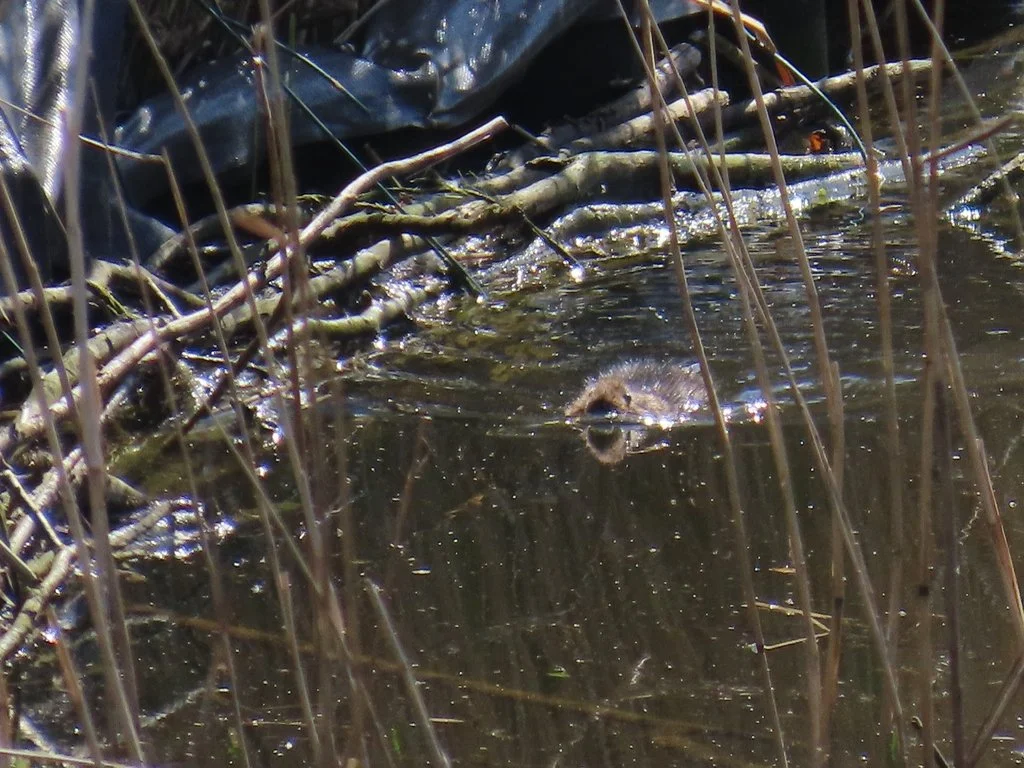
· 4 observations of Water Vole (Arvicola amphibius), including some fabulous photos of the voles busy along the waterways.
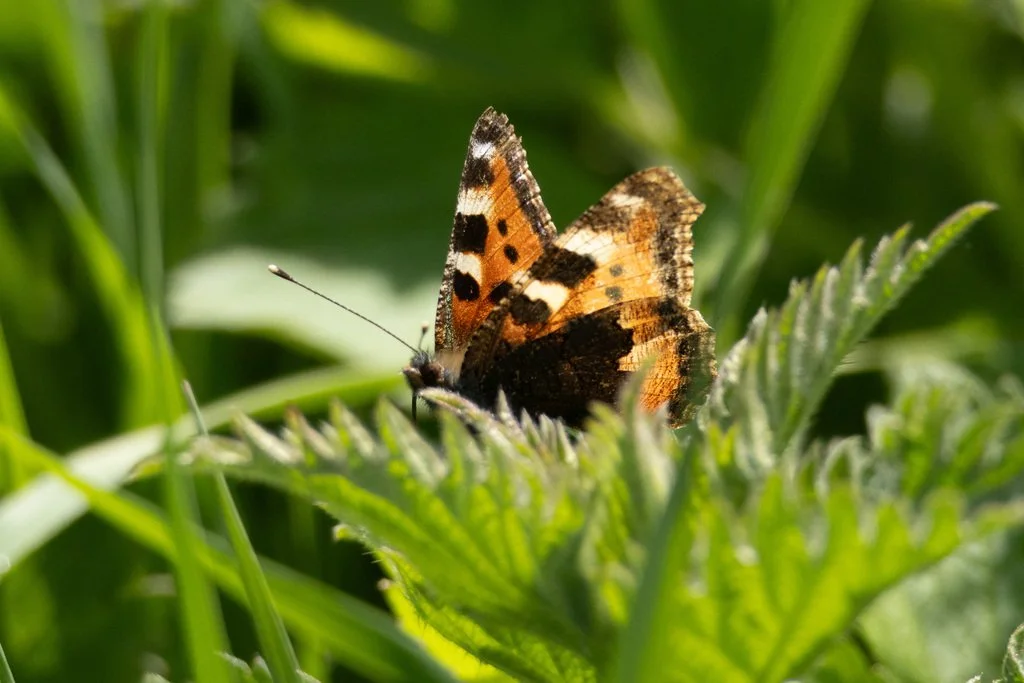
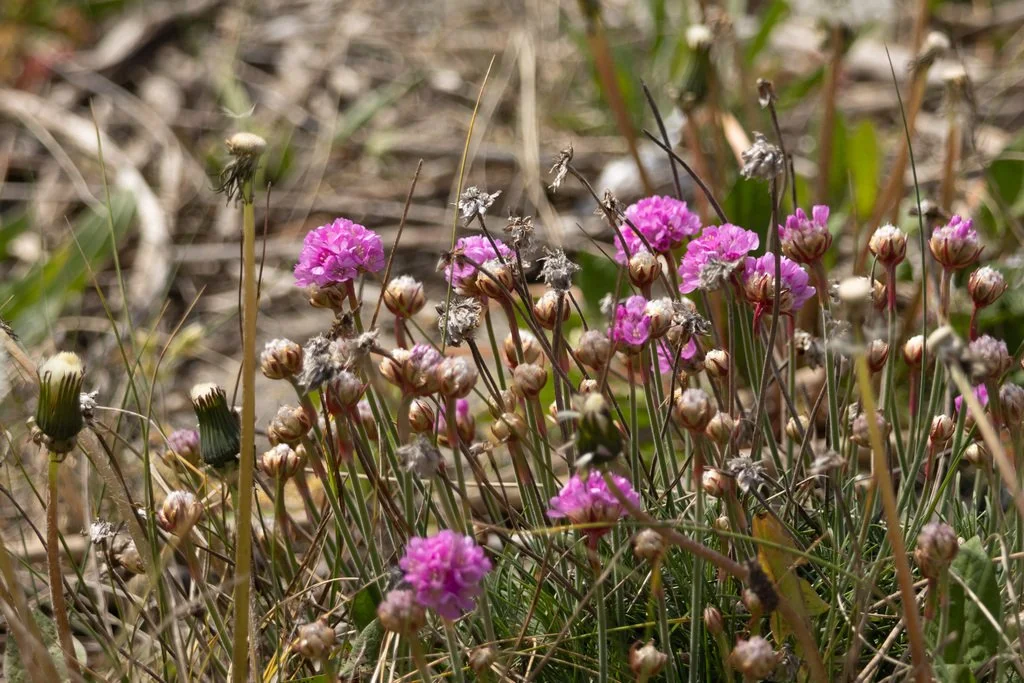
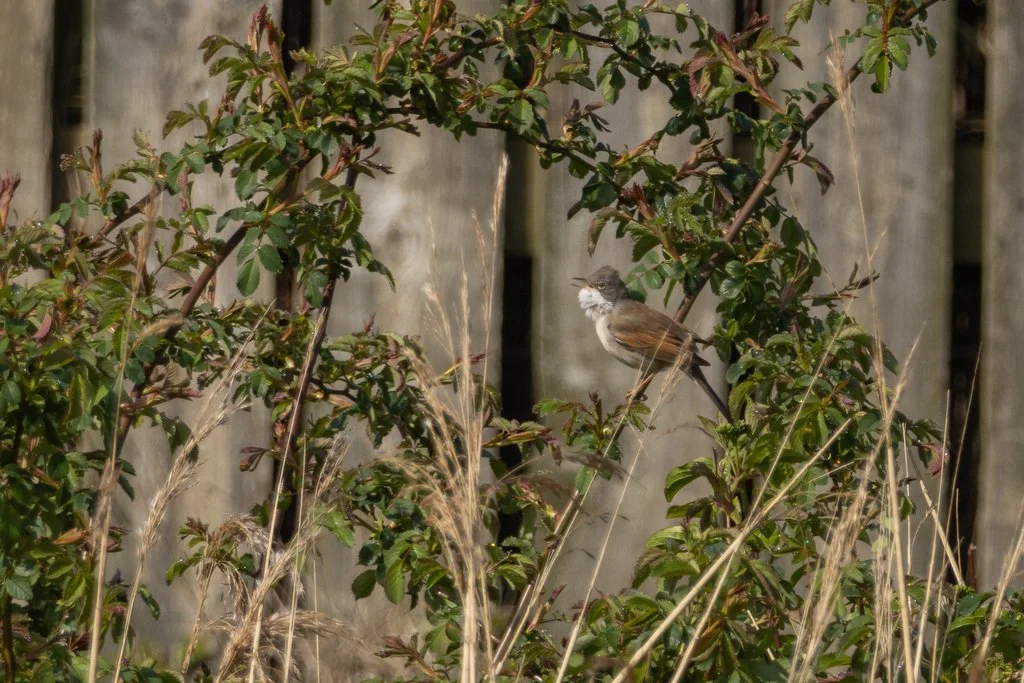
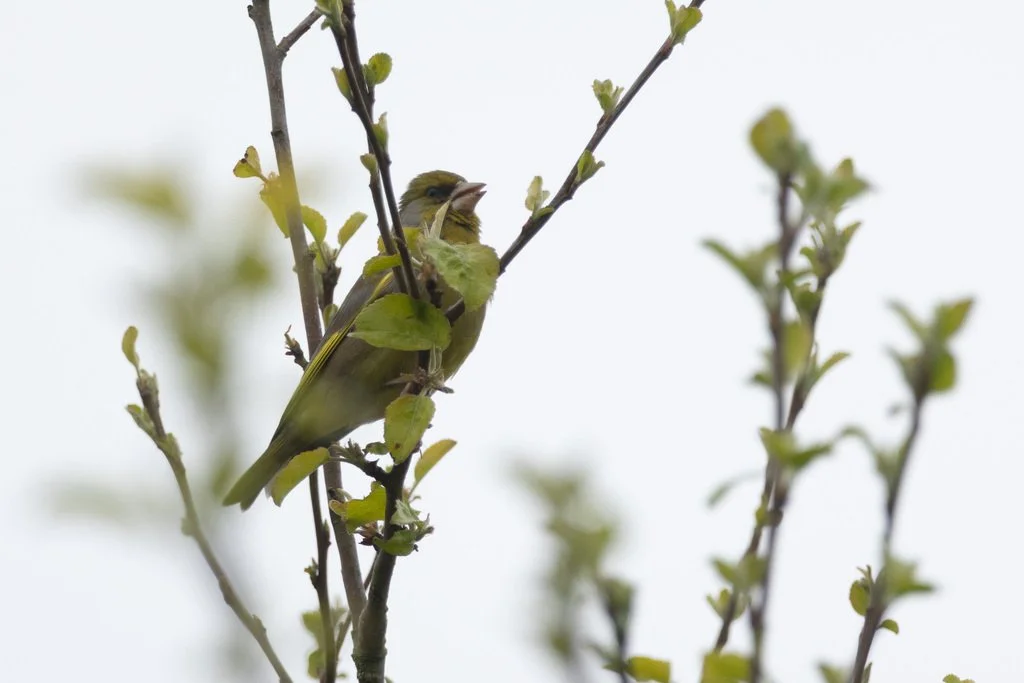
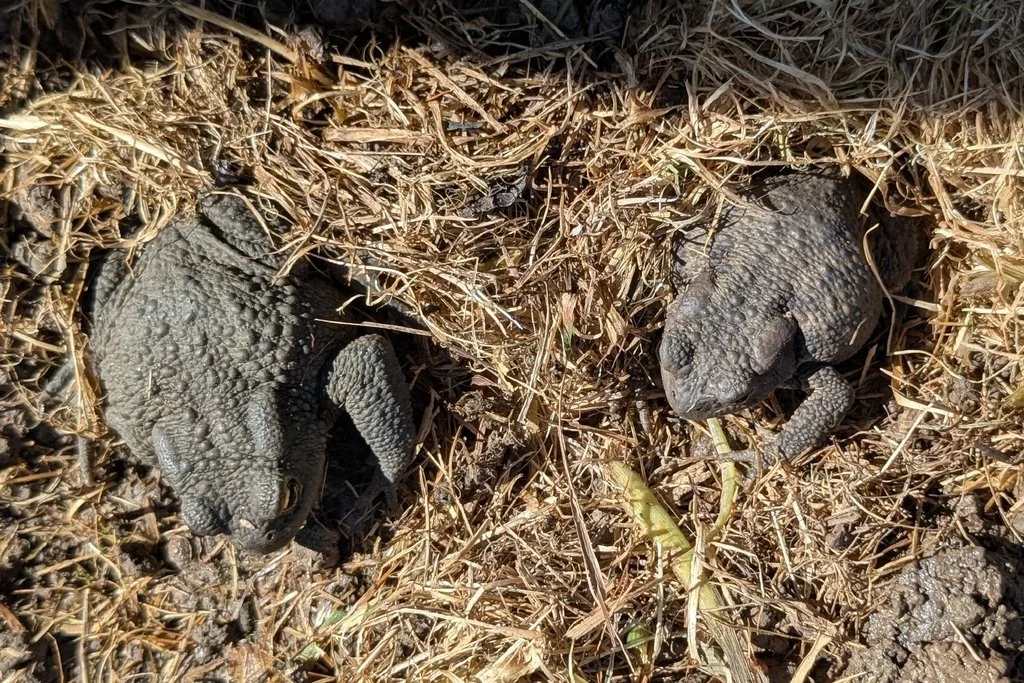
We also had some wonderful images captured this year as part of recording on iNaturalist. Below is a selection of images from this year’s event.
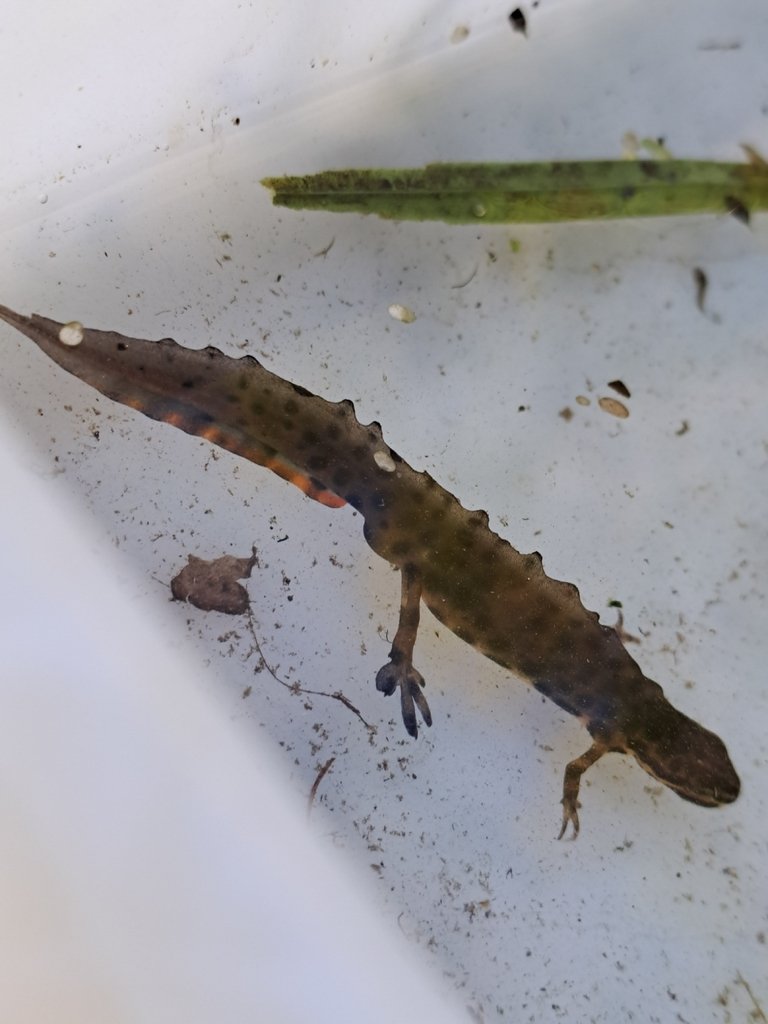
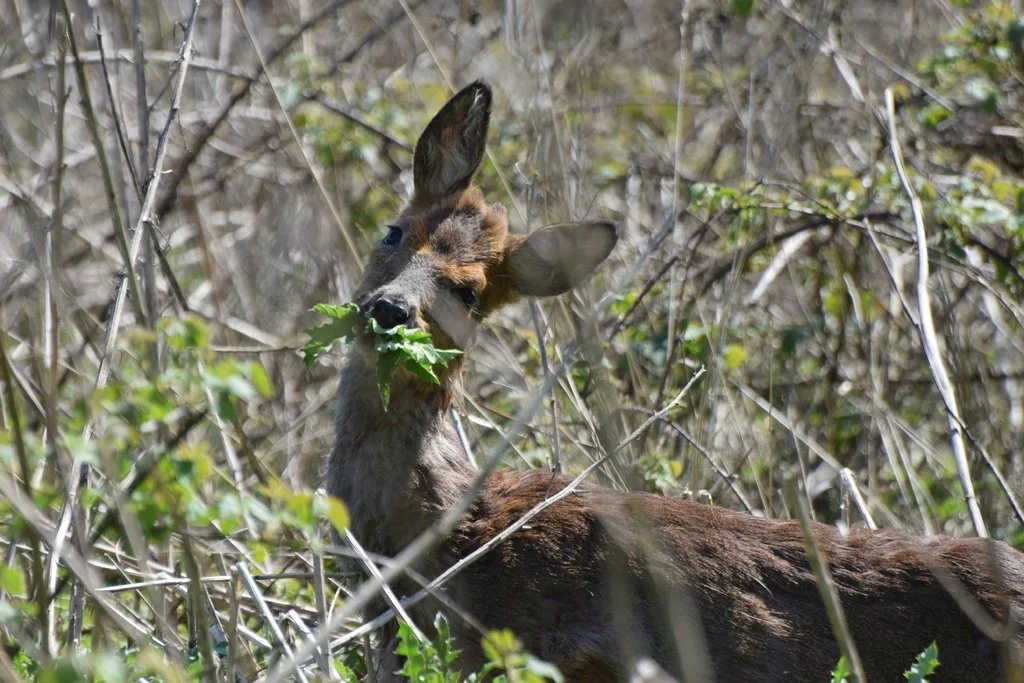
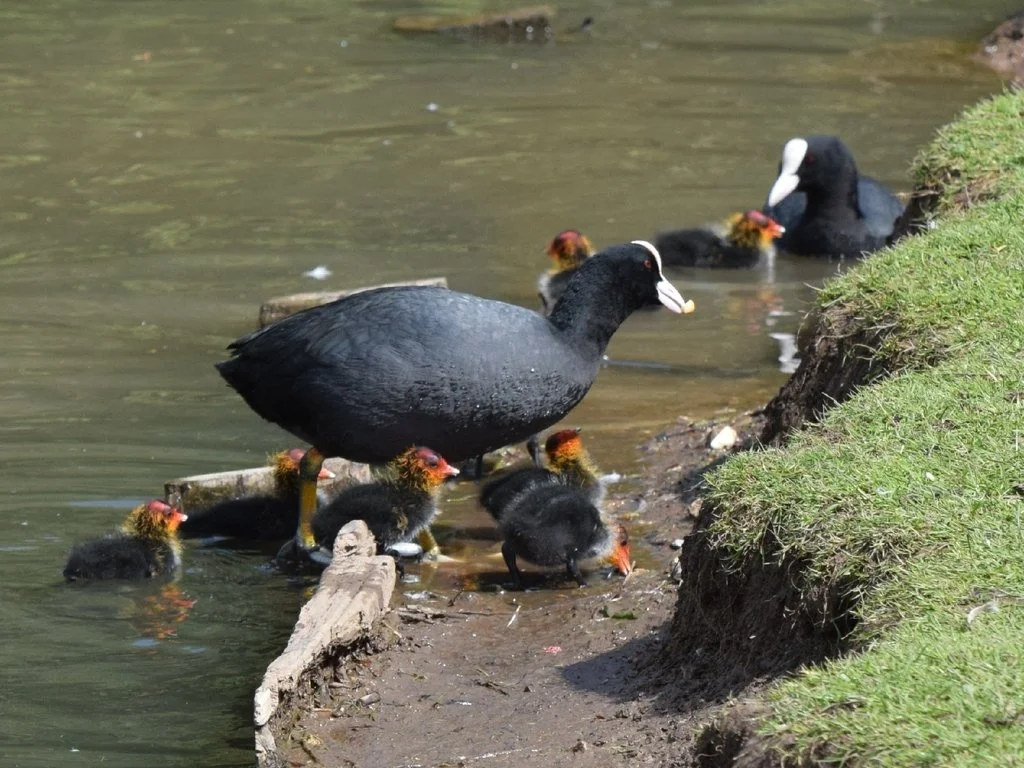
The Hull City Nature Challenge will return again in 2027, where we hope to keep collecting records across the region and engage local people with nature. All records that reach Research Grade and have the appropriate license from our 2026 iNaturalist project will be incorporated into our reporting database, where they will be available for local decision-making, conservation and land management, research, and more.