Revealing our sources - unearthing the springs and flushes of Yorkshire
Here you will find information about our springs and flushes project and how you can get involved.

Building on the success of our grassland fungi projects, which are still ongoing and can be accessed here: NEYEDC - waxcaps, NEYEDC has secured three years of funding from Yorkshire Water’s Biodiversity Enhancement Programme to investigate small-scale wet habitats like springs and flushes and their associated species communities, with a particular focus on bryophytes (mosses). The project will launch in July 2026, running until the end of May 2029.
Small-scale wet habitats like springs and flushes were identified as being of importance for biodiversity during the recent development of Yorkshire’s Local Nature Recovery Strategies (LNRSs), and whilst many people may know of a local spring or flush, they are rarely mapped or included in local biodiversity strategies, and the floral and faunal communities they support are even less well-recorded.
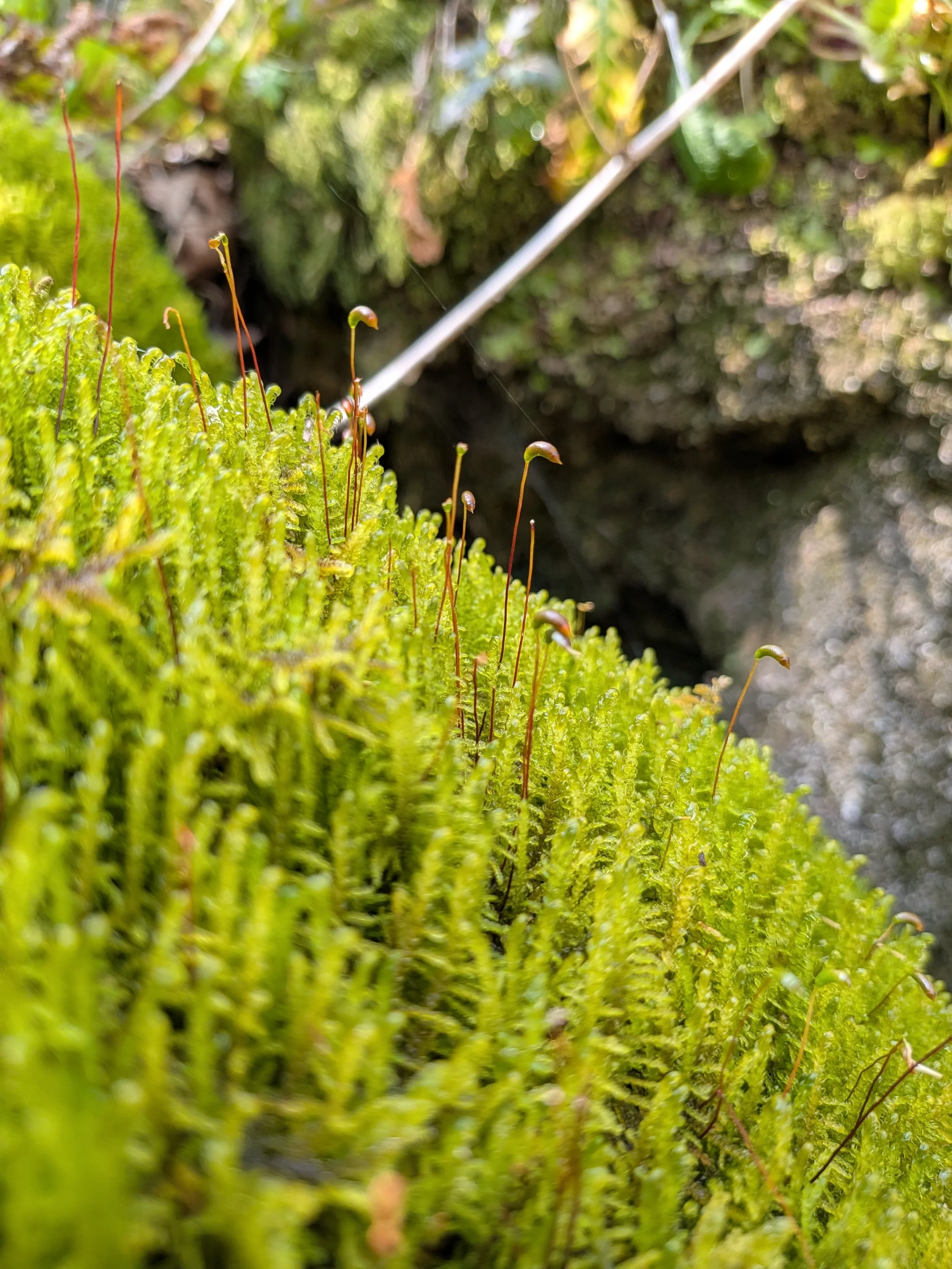
Bryophytes, or mosses, are one such community associated with springs and flushes and a taxon group that is often overlooked and under-recorded. ‘Revealing our sources’ aims to build on existing local expertise and introduce new recorders to the fascinating world of bryophytes, whilst identifying potentially important springs and flushes.
Interested? Read on to see how you can get involved.
How can I get involved?
We welcome people of all abilities to get involved in ‘Revealing our sources’, from complete beginners who may spot a small-scale spring or flush on an evening walk to those who already regular visit sites to record bryophytes - there will be something for everyone!
As the project is only just starting we are currently building a mailing of list of people who wish to hear more about the project through our occasional newsletters. We will be providing free training events for all abilities, starting in autumn 2026 so watch this space.
Click on the button below to register your interest and join our mailing list. The button links to a very short questionnaire (which doesn’t need to be completed to join the mailing list) that will enable us to gauge the level of interest in the project so we can tailor the activities we intend to run over the next three years.
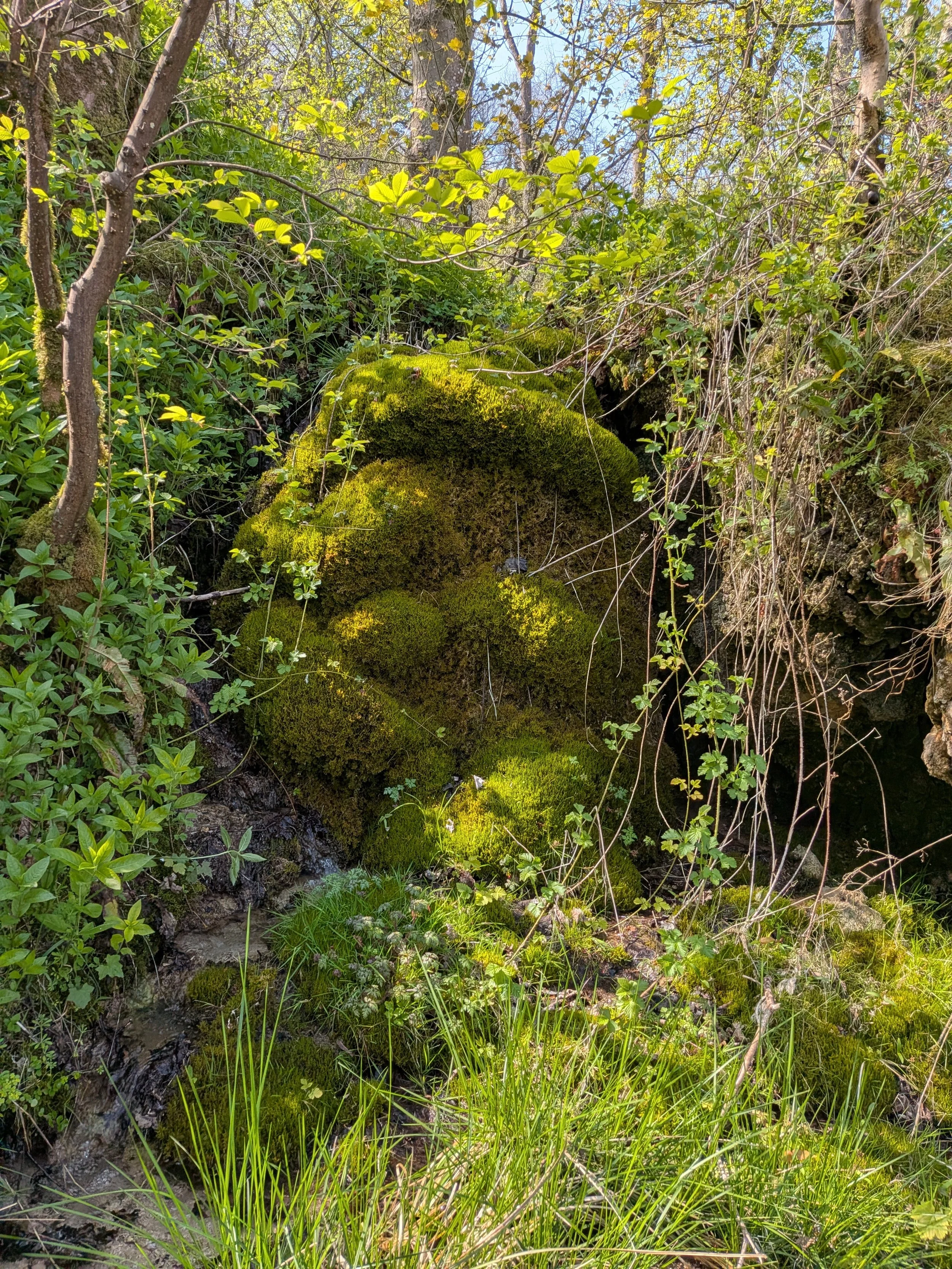
Example of a moss-covered tufa spring in Forge Valley, North Yorkshire
Existing Records
If you already know of a spring or flush that you think we should map and record or, if you have species records from this type of small-scale wet site that you would be willing to share with NEYEDC, please do send them to us. You can email records using the button below, either in your own format, or you can download our Recording Form template.
Resources
There are some brilliant ID resources available to help you get started with finding and identifying mosses on the British Bryological Society’s website.
As the project develops we will include more resources here.